


Buy Now Pay Later Consolidation Strategies and Its Effect on Credit-Building for Gen Z
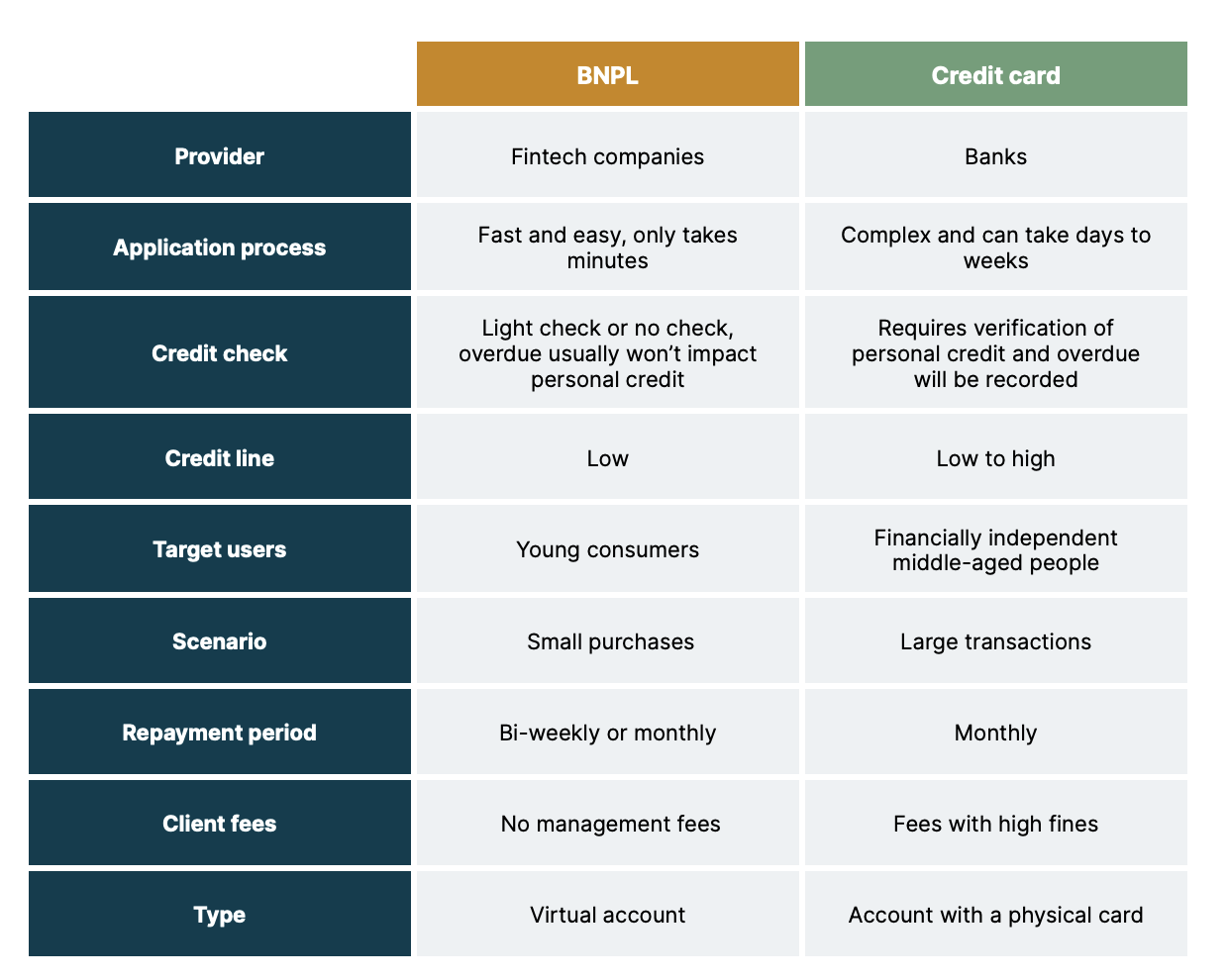
Let’s be honest: Buy Now Pay Later (BNPL) felt like magic when it first hit the scene. You want those sneakers, that concert ticket, or a new laptop — and boom, you split the payment into four easy chunks. No interest. No hard credit check. Just vibes and instant gratification.
But here’s the thing nobody warned you about. When you’ve got five different BNPL plans running at once — Klarna for the jacket, Afterpay for the skincare, Affirm for the flight — managing those due dates starts feeling like juggling flaming torches while riding a unicycle. And for Gen Z, who are the heaviest users of BNPL services, that juggling act can quietly wreck their financial footing.
So what happens when you consolidate those payments? Does it help your credit score — or hurt it? And honestly, does BNPL even build credit in the first place? Let’s break it down.
Wait — Does Buy Now Pay Later Actually Build Credit?
Short answer: mostly no. And that’s the frustrating part.
Most BNPL providers — Klarna, Afterpay, Sezzle — don’t report your on-time payments to the major credit bureaus (Equifax, Experian, TransUnion). So even if you’re a perfect angel paying every installment on time, your credit score doesn’t budge. It’s like going to the gym every day but never logging the workouts. The effort is real; the results? Invisible.
That said, some newer services like Affirm and Zip do report to certain bureaus. And if you miss a payment? Oh, they’ll report that. Negative marks can show up, especially if the debt gets sent to collections. So BNPL can hurt your credit without ever helping it. Fun, right?
Why Consolidation Is on Gen Z’s Radar
Picture this: You’ve got four BNPL plans, three due dates this week, and your paycheck doesn’t hit until Friday. Suddenly, that “interest-free” convenience feels like a trap. This is where consolidation comes in.
Consolidating BNPL debt usually means taking out a personal loan or using a balance transfer credit card to pay off all those little installments at once. Then you owe one payment — to one lender — instead of chasing five different apps.
For Gen Z, this can be a game-changer. Not because it magically fixes everything, but because it creates structure. And structure is where credit-building actually begins.
Consolidation Strategies That Actually Work
Not all consolidation is created equal. Here are a few approaches worth considering — and their trade-offs.
1. Personal Loans for Debt Consolidation
You borrow a lump sum, pay off your BNPL balances, and then repay the loan in fixed monthly installments. If the lender reports to credit bureaus — and most do — you’re now building payment history. That’s a big deal.
But watch the interest rate. If your credit is thin (which it probably is if you’re Gen Z), you might get stuck with a double-digit APR. That’s the price of admission for building credit, sure, but it’s still a price.
2. Balance Transfer Credit Cards
These cards let you move debt onto a new card with a 0% intro APR for, say, 12 to 18 months. If you pay it off during that window, you avoid interest entirely. And guess what? Credit card payments do report to bureaus.
The catch: you need decent credit to qualify. And if you don’t pay it off before the promo ends, that interest rate jumps — sometimes to 25% or higher.
3. Credit-Builder Loans
These are designed specifically for people with little or no credit history. You “borrow” a small amount, the lender holds it in savings, and you make payments. At the end, you get the money — and a stronger credit profile.
It’s slow. It’s not flashy. But it works.
The Real Effect on Credit-Building (The Good, Bad, and Ugly)
Let’s get specific. Here’s how consolidation can impact your credit — for better or worse.
| Factor | Potential Impact |
|---|---|
| Payment history | Positive — if you pay on time |
| Credit utilization | Can improve if you pay down balances |
| Credit mix | Slight boost from adding an installment loan |
| Hard inquiries | Small temporary dip when applying |
| Length of credit history | Neutral to slightly negative if you close old accounts |
So yeah, consolidation can help. But it’s not a magic eraser. If you consolidate and then rack up new BNPL plans, you’re back to square one — except now you’ve got a loan payment on top of it.
Gen Z’s Unique Position (And Why It Matters)
Here’s the deal: Gen Z is navigating a financial landscape that didn’t exist for previous generations. Gig work, digital wallets, instant financing — it’s all new. And traditional credit-building advice (“just get a secured card!”) doesn’t always fit.
BNPL gave Gen Z a way to access things they couldn’t afford upfront. That’s not inherently bad. But without a credit-building component, it’s a missed opportunity. Consolidation flips that script — turning scattered micro-debts into a single, reportable payment.
In fact, some fintech startups are now offering BNPL consolidation tools specifically aimed at younger users. They’ll pull all your plans into one dashboard, pay them off, and set you up with a repayment schedule that reports to bureaus. It’s a small but growing trend.
Mistakes to Avoid
Before you rush to consolidate, keep these pitfalls in mind:
- Consolidating without a budget. If you don’t know where your money goes, a new loan won’t fix the root issue.
- Ignoring fees. Some balance transfer cards charge 3–5% upfront. Read the fine print.
- Closing old accounts. This can shorten your credit history and ding your score. Keep them open if there’s no annual fee.
- Using BNPL again immediately. That’s like dieting while keeping a secret stash of donuts. It defeats the purpose.
So… Is Consolidation Worth It?
Honestly? It depends. If you’re drowning in due dates and your credit score is a blank slate, consolidation can be a smart reset. It won’t make you rich. It won’t erase past mistakes. But it can turn chaos into a clear, reportable payment — and that’s how credit gets built.
For Gen Z, the real win isn’t just paying off the shoes or the skincare. It’s learning how to use debt as a tool instead of a trap. And that lesson? Priceless.


